No products added!



$8,500.00
Sopwith Aero Marquis
Nieuport 28 Limited Edition
98 timepieces available
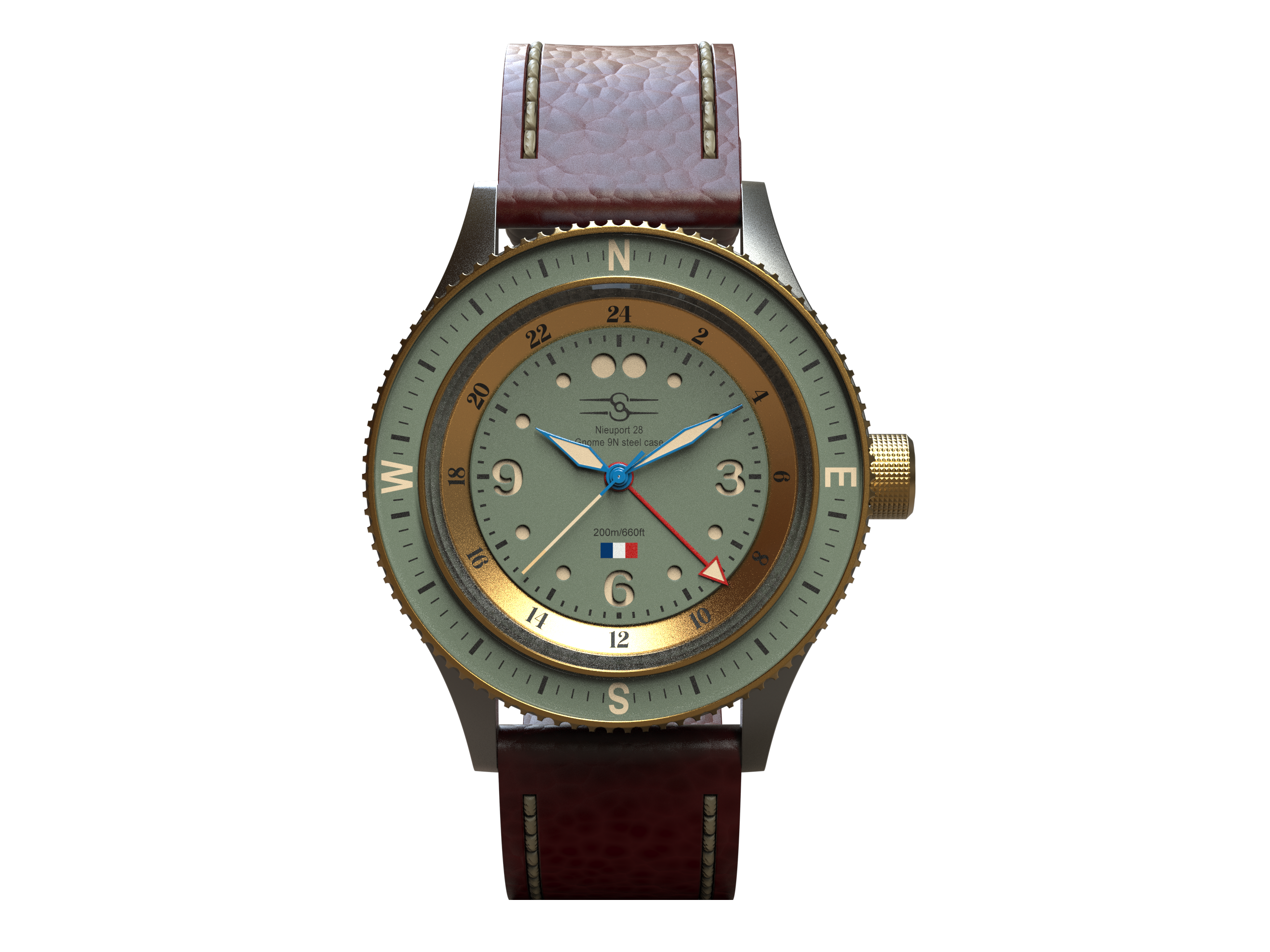
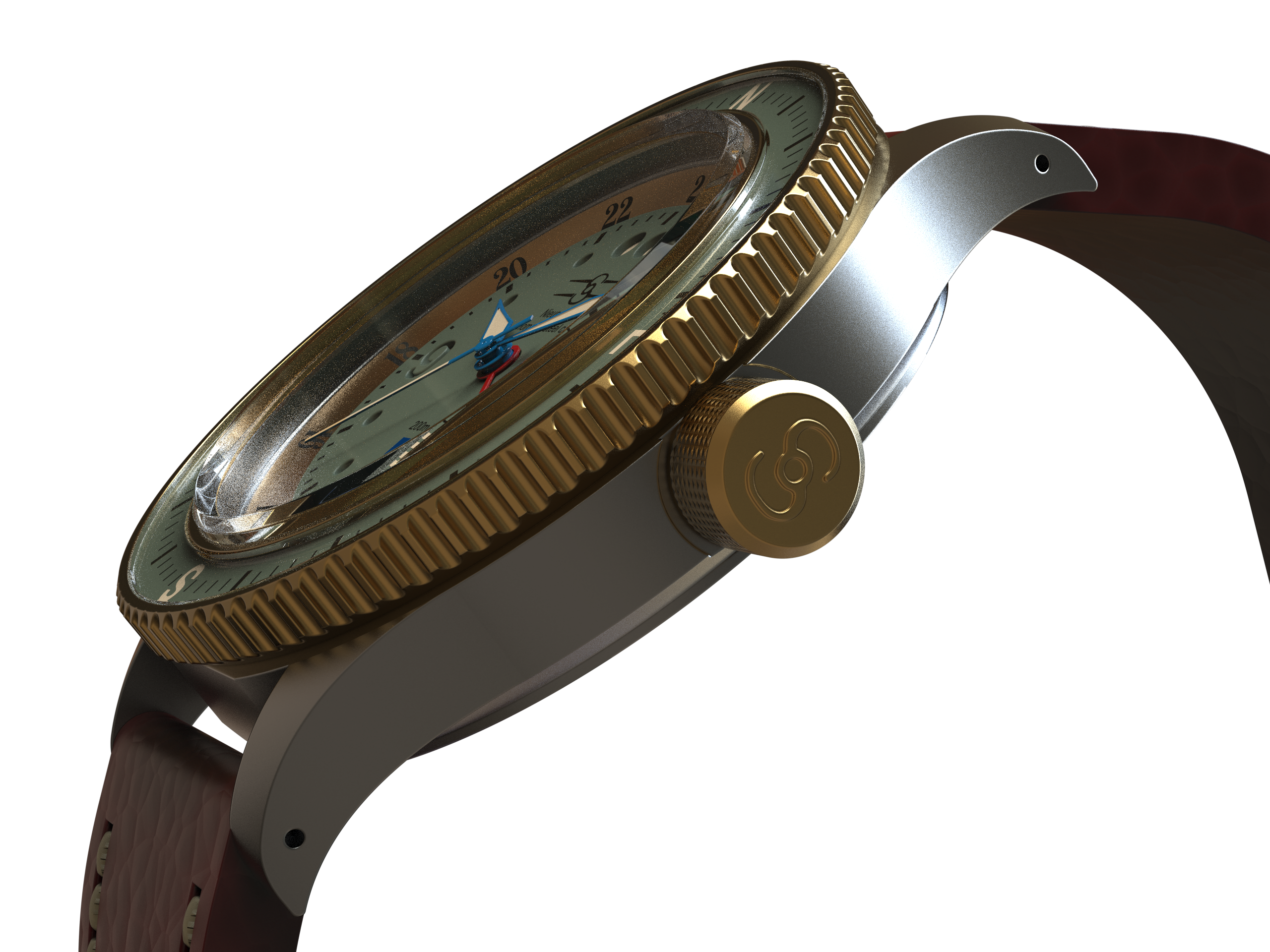
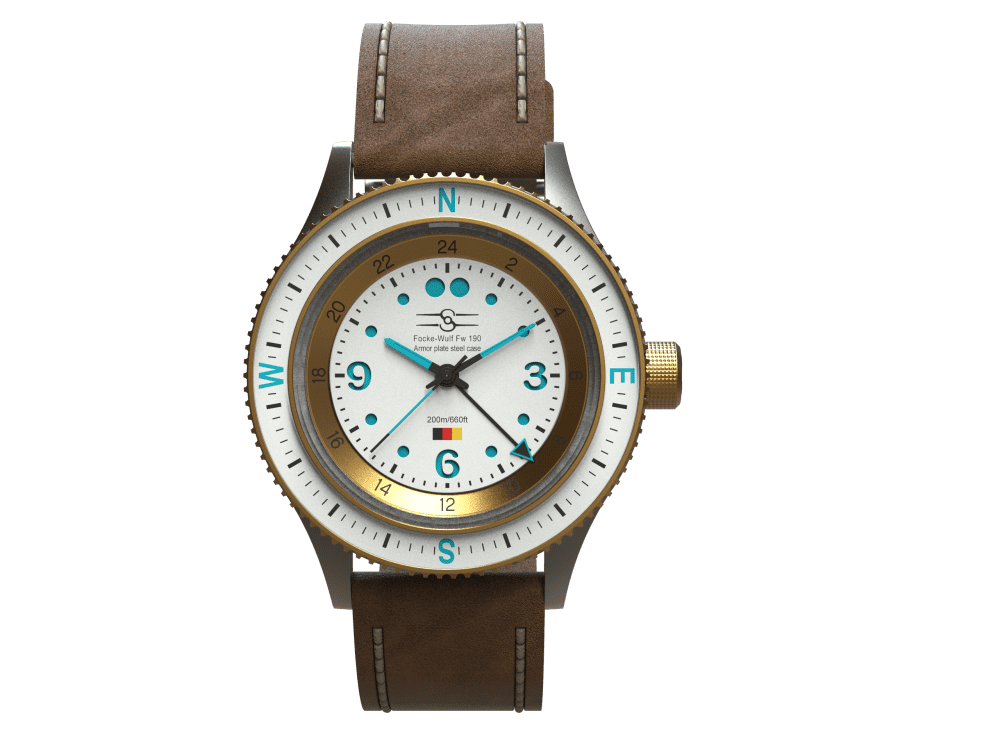
The case of the Nieuport 28 Limited Edition GMT is manufactured from the steel of a Gnome Monosoupape 9 Type N rotary engine that powered an American Nieuport 28 fighter plane in 1918 (details in next chapter).
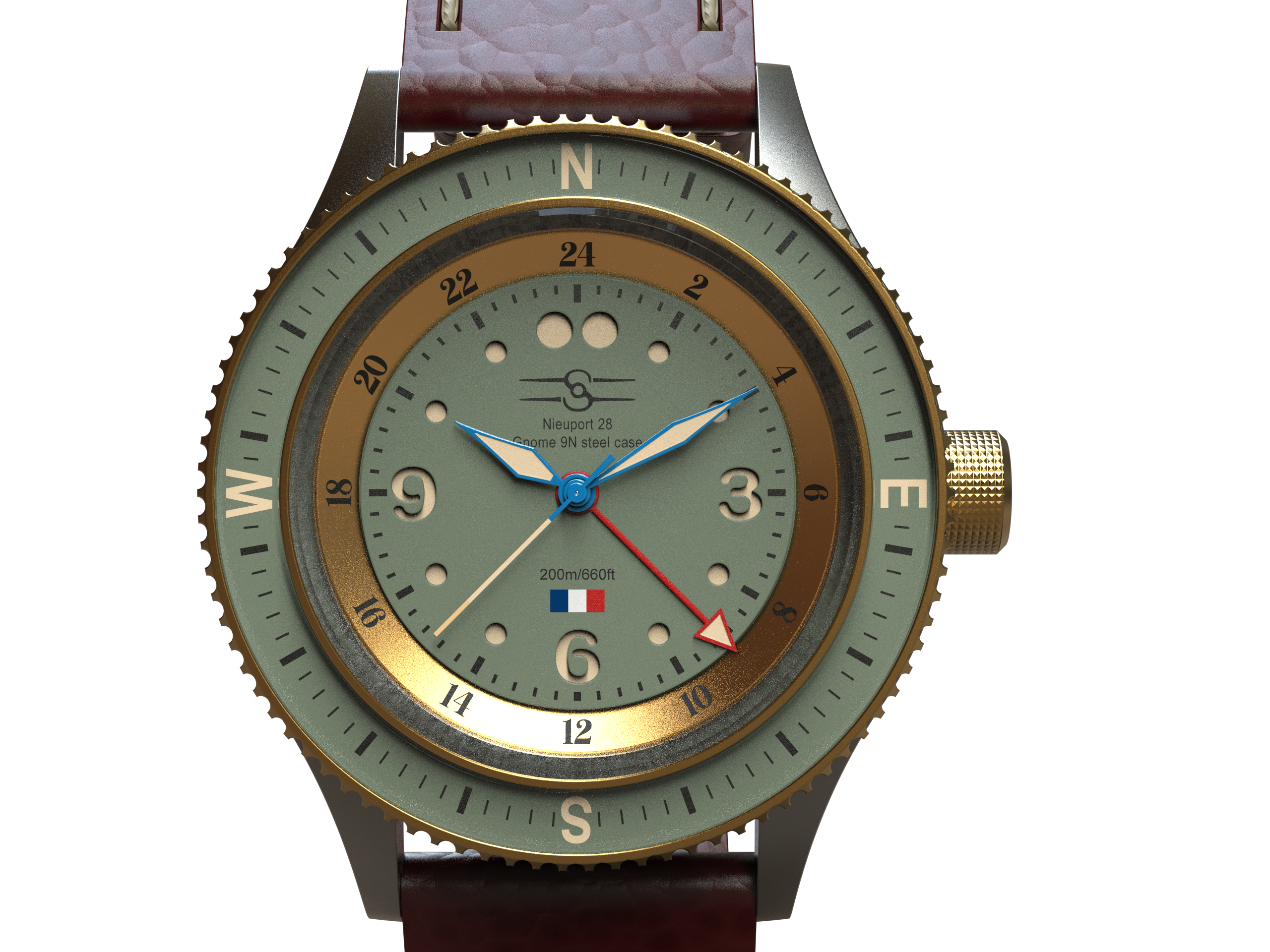
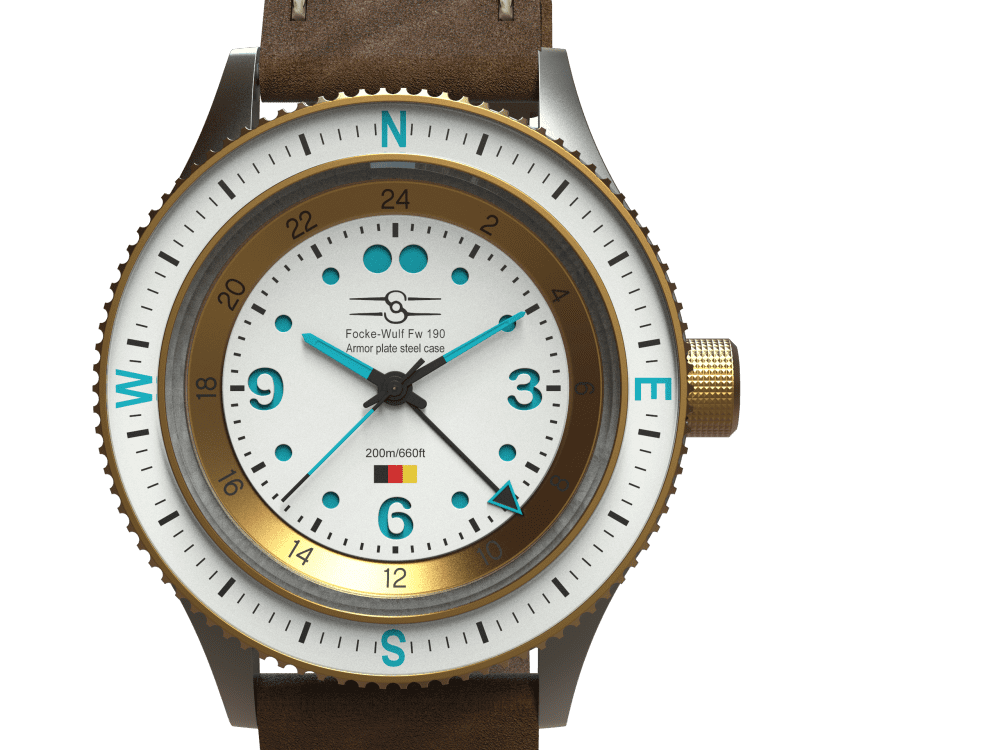
The color combination of the Nieuport 28 Limited Edition is reminiscent of the paint scheme used by the 95th Aero Squadron in World War I. The Camouflage Green dial and bezel represent the lighter shade of the official pattern used on fighter planes of the United States Air Service. The Fjord Blue outline of the hour and minute hands celebrates the background of the 95th’s famed “kicking mule” insigina that was painted on the fuselage of its Nieuports.
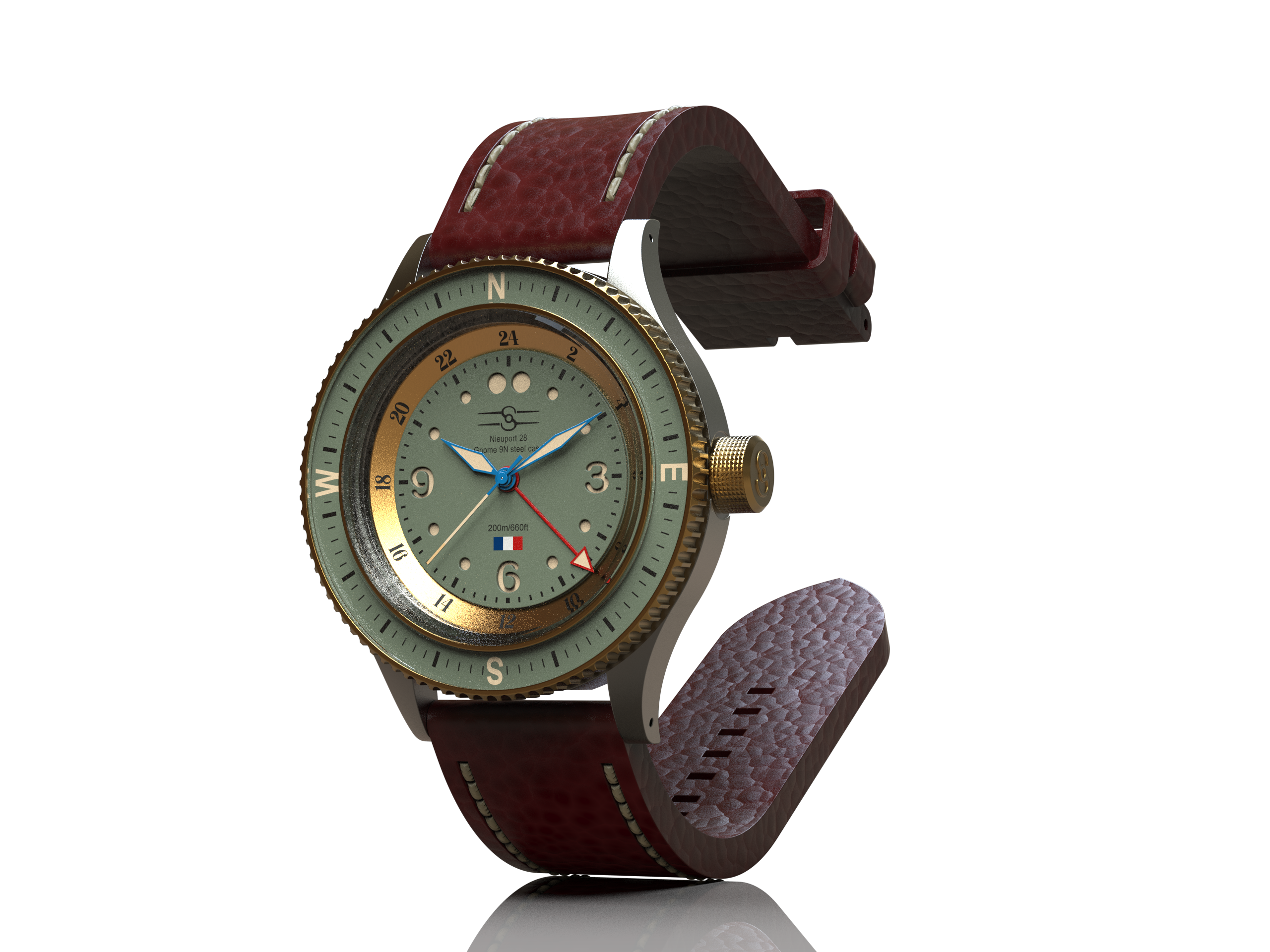
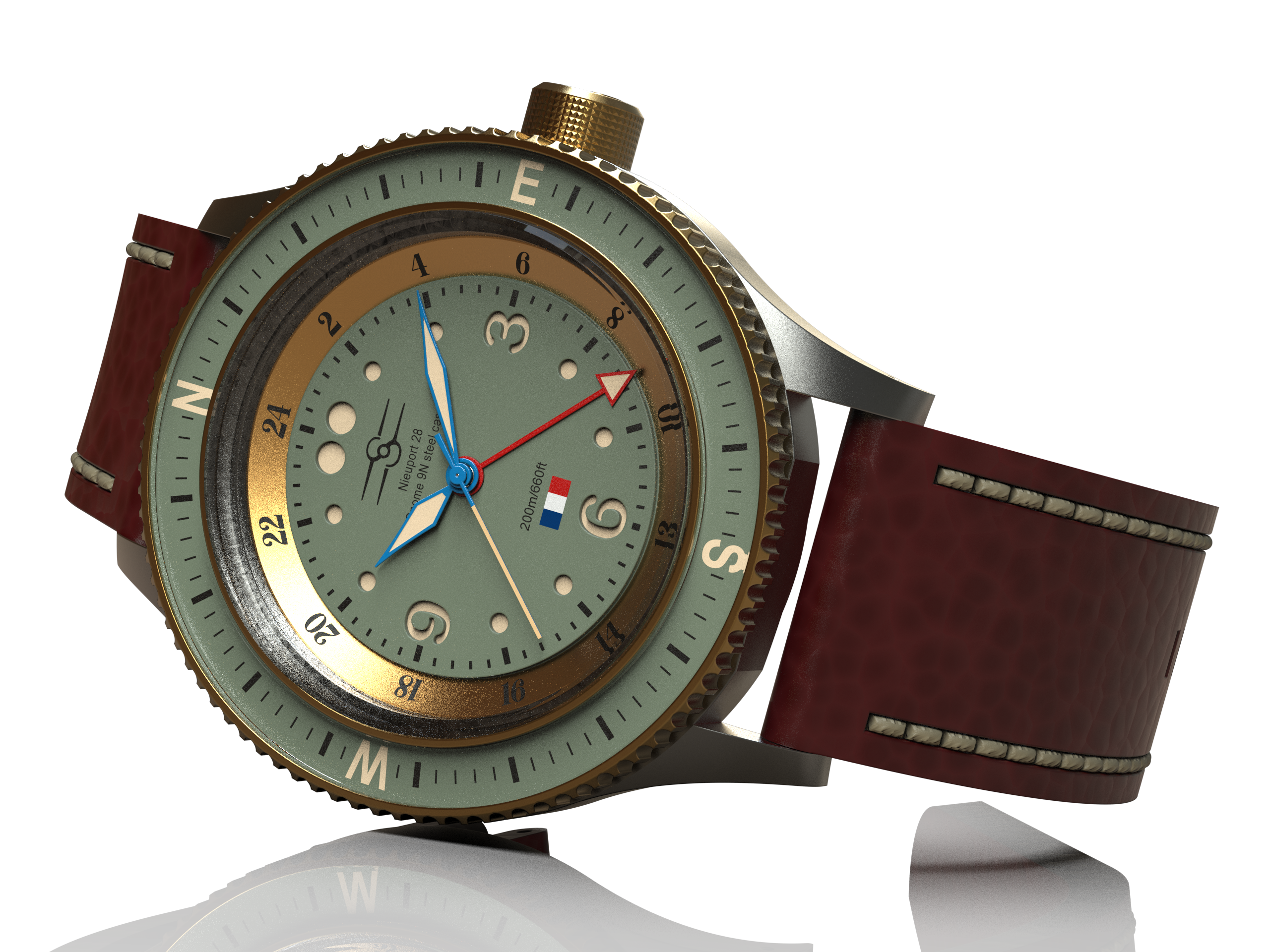
The hands themselves are diamond cut in the shape of the needle on the Nieuport 28’s only dash instrument – the altimeter. The lumed twin dots at 12 o’clock instantly identify this timepiece as a genuine Sopwith product with an in-house case of historic steel. The GMT chapter ring reflects the longstanding tradition of framing early 20th century aviation instruments in bronze, angled at precisely 25 degrees for flawless readability with a font style reminiscent of the Nieuport’s original instrumentation.
The bookshelf presentation box in which each Nieuport 28 Limited Edition GMT is delivered has been carefully crafted from Honduran Mahogany, the same wood used by Hélice Levasseur de Paris in 1918 to make the original propellers for America’s first pursuit plane. The fighters were fitted with padded, hand-stitched leather grip rails around the cockpit, reprised in the Aero Marquis’ stitched, hand-cut leather strap. The tri-bar at six o’clock represents the French origin of the Nieuport’s design.
Every detail of this watch design finds its genesis in the airplane from which it is made. Sopwith is proud to present an extraordinary piece of aviation history sourced directly from the Western Front in World War I.
98 in stock
The 160 horsepower Gnome Monosoupape 9 Type N engine was used in several World War I airplanes including America’s first fighter, the legendary Nieuport 28 biplane.
Originally priced at nearly four thousand dollars per unit, this nine-cylinder rotary was among the most expensive aircraft engines produced during the war. Nevertheless, it was prized for its simplicity of design and excellent power-to-weight ratio. Unlike the water-cooled engines of the SPAD XIII and SE 5a scouts, the Gnome rotaries could be rebuilt by aircraft mechanics at their front-line airfields after their 15-20 hour service cycle and often returned to service within one day.
Manufactured by the Gnome et Rhône company in Paris, the engine created a distinct exhaust note that is uniquely associated with World War I aircraft. It’s “total loss” lubrication system famously bled over two gallons of castor oil per hour, most of which sprayed onto the underside of the airplane. The thunderous sound and unique burning scent of a Gnome engine remains iconic more than a century later.
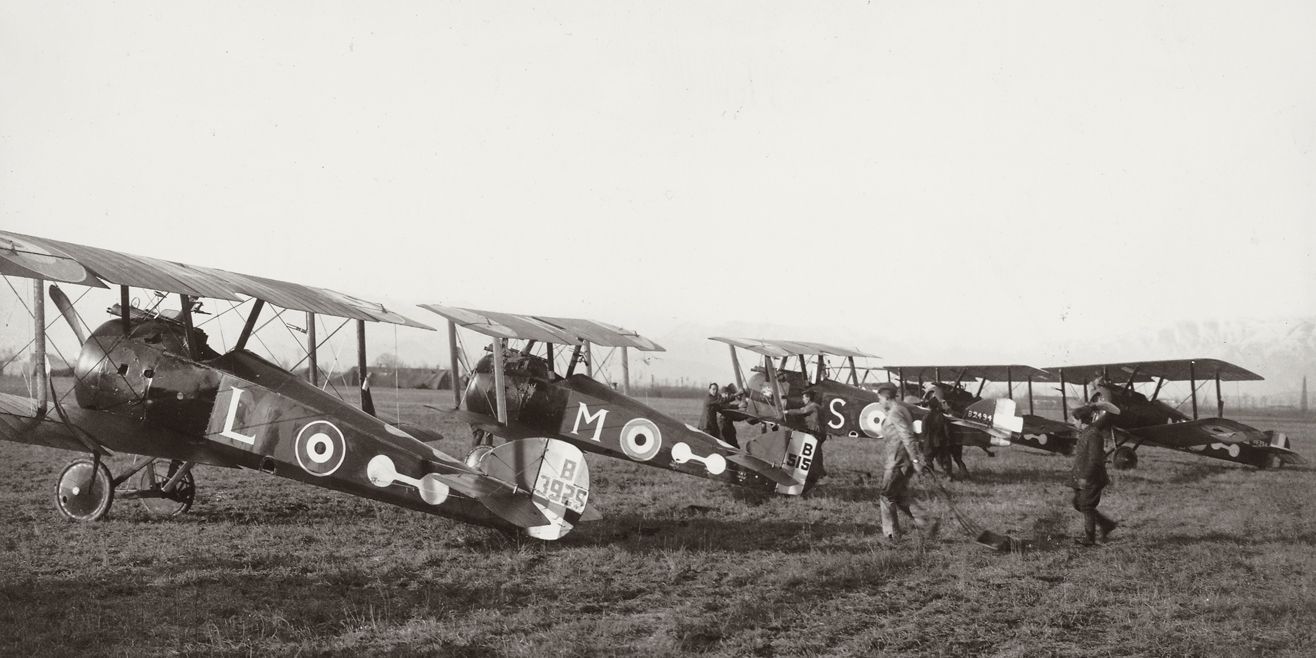
Unable to produce enough air frames and engines from its own resources, the United States Air Service was forced to purchase equipment from foreign manufacturers in order to get its pilots into action. As a result, American pilots flew French-built Nieuport 28 biplanes extensively on Western Front combat sorties in the spring and early summer of 1918.
The United States Air Service purchased a supply of Gnome Monosoupape 9 Type N rotaries in 1918 to power its Nieuports. Most of these engines were employed in front-line combat. More were stored in Parisian warehouses awaiting front line use. But the midsummer advent of the V8-powered SPAD XIII fighter combined with the Armistice in November ultimately rendered the Gnome obsolete.
Of the 208 wartime production Nieuport 28’s delivered by French factories to the US Air Service, 68 of them survived hostilities along with their Gnome engines. Another cache of Gnomes – a few of them still in crates – was held at the Lioré-et-Olivier factory in the Clichy commune on the northwest side of Paris. More were held by squadron maintenance crews at the front, either newly rebuilt and ready for installation or worn out from combat use and scheduled for overhaul. Another 88 Nieuport airframes would be assembled post-war from spare parts still on hand, all powered by these remaining Gnome engines. Between November 17, 1918 and August 20, 1919, all of these airplanes, engines and spare parts were collected and shipped back to the United States.
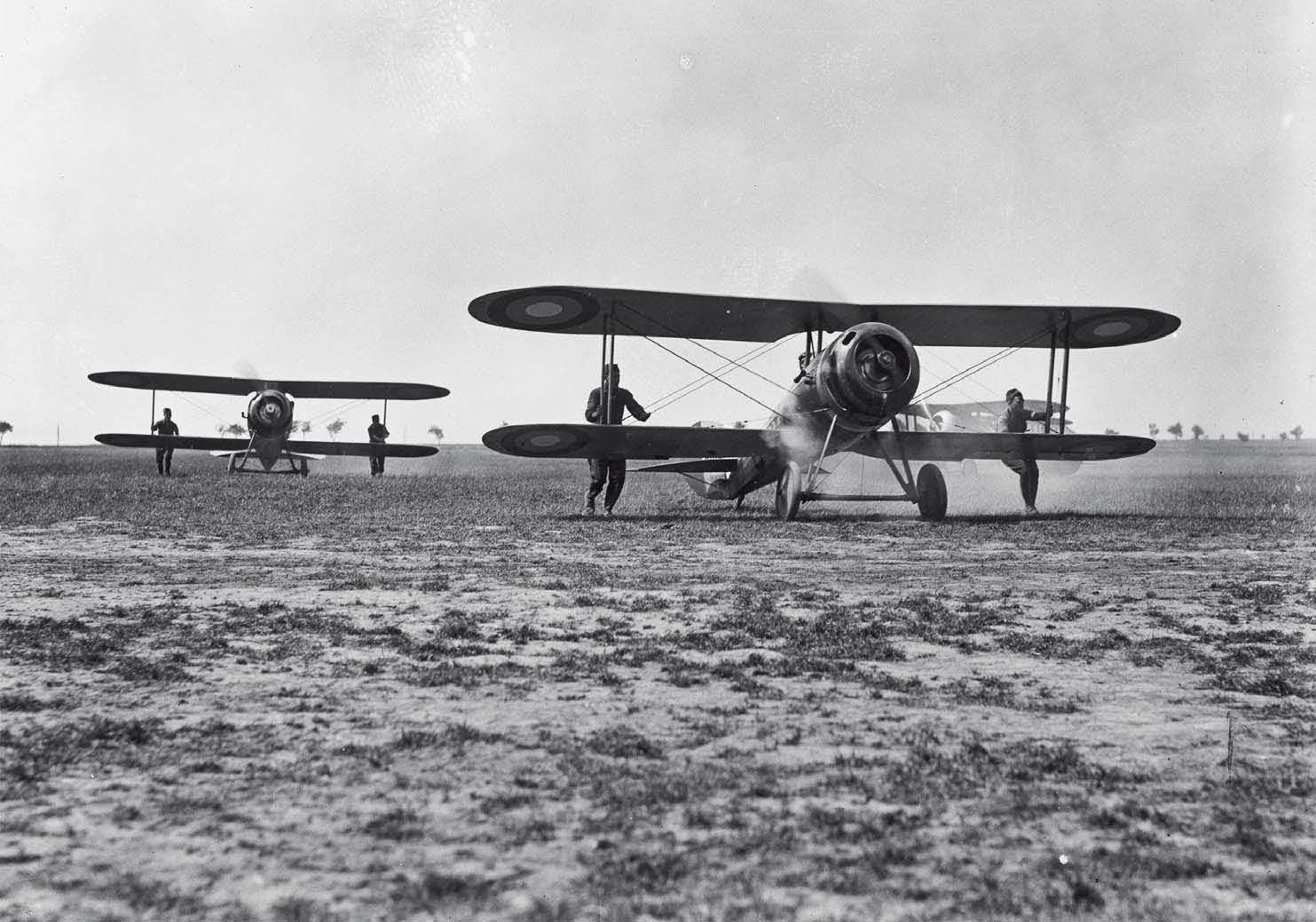
At least 53 of these Gnome-powered Nieuports were still in use as Air Service trainers in June 1920, dispersed throughout military airfields in Alabama, Pennsylvania and Ohio. Another dozen had been transferred into service with the US Navy.
Once past their useful life, these surviving Gnomes were released for sale in wooden crates as military surplus in 1924 through a private, Pennsylvania-based dealer. Two years later, the final examples of these once proud, four-thousand-dollar technological wonders were being distributed at the discount price of about twenty-six dollars each. Only a handful still exist today.
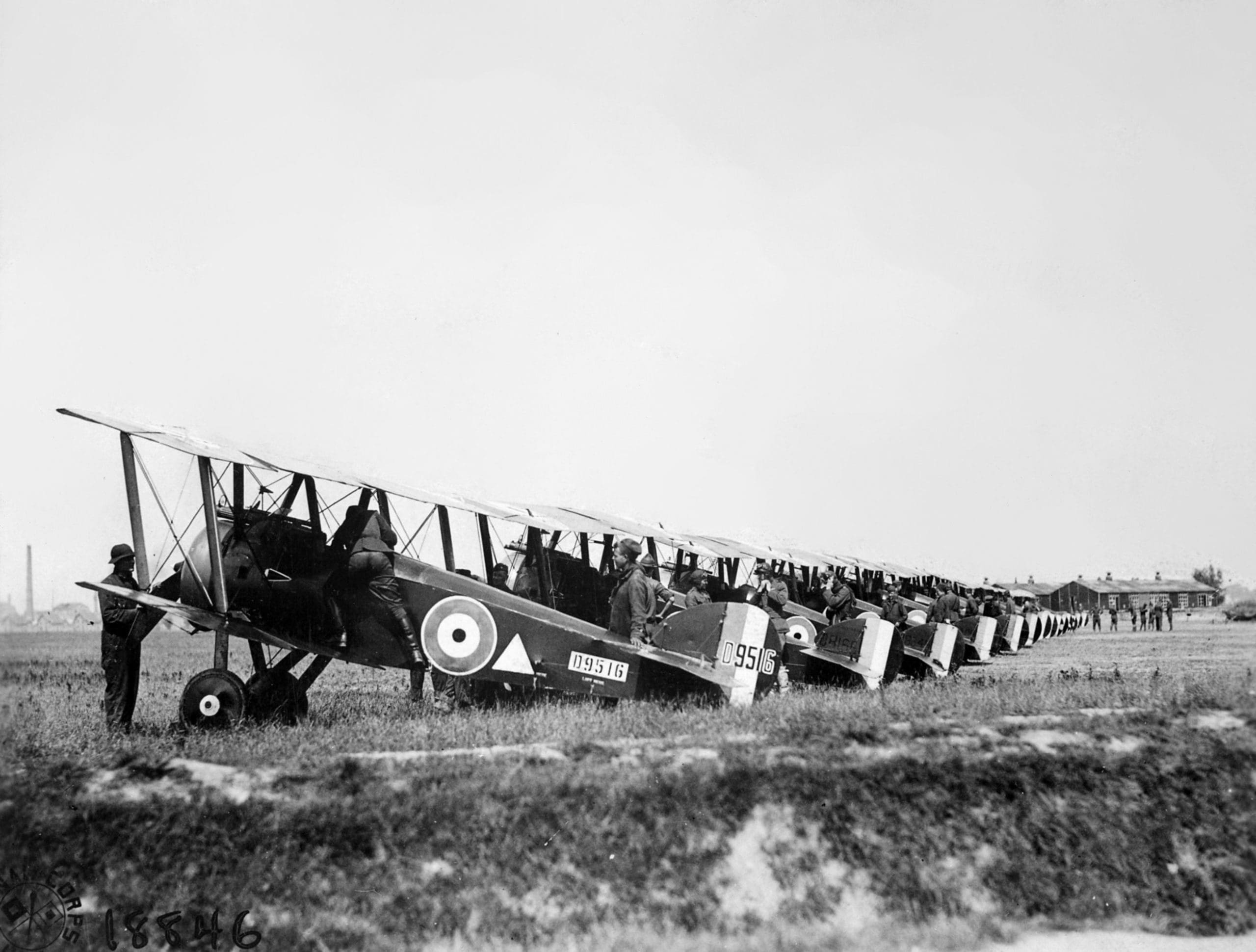
The historical Aero Marquis Nieuport 28 Limited Edition timepieces are crafted from one of these engines. Specifically, it was made from the engine block, cylinders, pistons and connecting rods of a French-produced Gnome rotary fighter airplane engine, serial number #19NCA55521, purchased by the United States Air Service in 1918 for use in a Nieuport 28 fighter airplane.
Few records on individual engines have survived, but this much is certain – the steel parts from which the case of this timepiece is made were on the Western Front in the summer of 1918, somewhere along the 65-mile stretch between Paris and the American 3rd Infantry Division’s front lines near Château-Thierry.
Since the Gnome 9N motors secured by the US Air Service were produced only in France and only by the Gnome et Rhône company, this leaves only three possibilities. The steel used in this watch case was:
Being flown in combat by pilots of the American 1st Pursuit Group in the skies between Toul and Château-Thierry, or
Awaiting front line delivery at the Gnome et Rhône factory in Paris while the German army made its final push toward the city, or
Awaiting installation in a fighter plane destined for combat at the Lioré-et-Olivier aircraft facility in Clichy on the northwest side of town.
The pistons and cylinders of Gnome engine #19NCA55521 were inspected by Sopwith’s staff as well as the specialists at Murrin Antique Aero in Greenville, Pennsylvania. These parts were found to have been used heavily during the engine’s active lifespan. The examining technician, Fred Murrin, is an expert mechanic and historian with more than 40 years experience piloting World War 1 types. Murrin examined #19NCA55521 and testified that this was one of the most heavily used World War 1 rotary engines that he’d ever seen. Disassembly of the cylinders made it clear that the engine had not been rebuilt in the intervening decades.
This means that engine #19NCA55521 saw extensive service with the United States Air Service in an original Nieuport 28 fighter airplane during or immediately after World War I. That service could only have come in front line combat during the spring and summer of 1918, or by US Air Service pilots in training prior to summer 1920, or both.
In its former life as Gnome engine 19NCA55521, the steel case of the Nieuport 28 Limited Edition GMT played a critical role in the formation of the United States Air Service. This is the steel that put American fighter pilots in the skies for the very first time.
Sopwith Watch Company supports the restoration of historic aircraft. The engine parts used in the making of this product were unsuitable for restoration and beyond repair. Thank you for helping us preserve the legacy of the Gnome rotary engine and the historic airplanes that it powered into the skies over France more than a century ago.
© Sopwith Watch Company. All images and text are the property of Sopwith Watch Company and used with permission. All rights reserved.
| Functions: | Hours, minutes, seconds, GMT, azimuth |
|---|---|
| Case manufacturing: | Steel processed, melted, poured, cast at Sopwith Foundry, Houston USA |
| Case materials: | Nieuport 28 Gnome Monosoupape 9N steel cylinders, pistons, rods |
| Water resistance: | 200 meters |
| Magnetic field resistance: | 20,000 Gauss |
| Movement: | Automatic, bidirectional rotor |
| Anti-shock system: | Jeweled Incabloc SA Novodiac, Durnico steel/brass |
| Crystal: | Boxed sapphire, inner anti-reflective coating |
| Crown: | Signed, extruded diamond grip bronze, 3.50 x 7.00 mm |
| Bezel: | Bronze |
| Hands: | Diamond cut steel |
| Dial: | 3 piece |
| Strap: | Stitched, hand-cut Horween leather |
| Lume: | Swiss multi-layered, Swiss X1 grade C3 GL |
| Designer: | Stephen Cox, Sopwith Watch Company, Indianapolis USA |
Watch Case Warranty – Forever
Sopwith watch cases are guaranteed forever against manufacturing and workmanship defects, cracking, breaking, lug failure or structural damage to the steel as determined by Sopwith Watch Company. Case warranty does not include cosmetic damage and scratching from normal use.
To submit a claim, send the complete watch to Sopwith Watch Company with a brief description of the damage. If a replacement is issued, it will be provided free of charge including re-assembly of the watch.
Due to the scarcity of historic steel, Sopwith may at its discretion substitute the case with one made from the steel of a different airplane/automobile/vehicle or replace the watch case with another model.
All Other Parts – 1 Year
Sopwith‘s 1-year warranty covers manufacturing defects excluding damage resulting from normal wear and tear, misuses or accidental impact (including but not limited to scratching or wearing of PVD coatings, scratches, chipping of crystal), unauthorized repair, opening watch case back, adjustment to movement or any other modification work done outside our authorized service center, damage done to bracelets, straps or accessories, water infiltration or damage in watch due to failure to secure screw-down crown or exposure of watch to depths exceeding rated water-resistance.
Sopwith Aero Marquis Watch Case Manufacturing
Sopwith is proud to manufacture the finest – and rarest – watch cases in the world, guaranteed forever. Our proprietary steel enhancement process creates a watch housing that exceeds industry standards while preserving the original historic metals.
Steel manufactured under wartime conditions in the early 20th century was of poor quality, prone to rust, relatively soft and unsuitable for continuous contact with human skin. It was built to endure a few months of combat service before being destroyed or scrapped.
Once historic steel is rescued from destruction by Sopwith Watch Company, our staff metallurgists disassemble, wash and silicon blast each piece at the Sopwith Foundry. The individual components are then laboratory tested to determine their composition via a time-consuming and labor intensive process. The cylinders of a 1918 manufacture Gnome Monosoupape aviation engine – for instance – contain seven distinct types of steel, each of which must be individually analyzed. The laboratory analysis of each piece of historic steel is then compared to the composition of 5360 grade steel. Each lot of historic steel is then melted in-house at the Sopwith Foundry in Houston by Sopwith staff members. The steel is then enhanced with the necessary elements to raise the final metal to 5360 grade.
Grade 5360 steel is held to a higher standard than 316L stainless, which is a broad category that primarily limits the amount of carbon in the final product. In order to achieve 5360 status, Sopwith must adhere to standards established by the Society of Automotive Engineers (SAE) to create a 5360 steel that is suitable for use in specialized applications. These standards demand exact limits on the elemental composition of the steel, minimum tensile and yield strengths, and solution heat-treated finishing.
Now raised to 5360 standards, the historic steel is cast into watch housings at the Sopwith Foundry. Each case is then polished and coated with a protective film of titanium carbide. The physical vapor deposition method was chosen for it’s lower application temperatures which preserve the precise elemental content of the steel.
The Sopwith Aero Marquis watch case is made of authentic historic steel, yet exceeds industry standards for corrosion resistance, strength and durability. All Sopwith watch cases are guaranteed forever.


Reviews
There are no reviews yet.